Applications of HDPE Butt Fusion Machines in Pipeline Engineering
- Share
- publisher
- RUBR
- Issue Time
- Jan 9,2026
Summary
HDPE butt fusion machines are essential equipment in medium- and large-diameter pipeline engineering. By joining pipes through controlled heating and pressure, butt fusion creates joints that become part of the pipe itself. This process is widely used in water, gas, irrigation, and industrial pipelines, particularly in long-distance and buried installations where long-term reliability is critical.
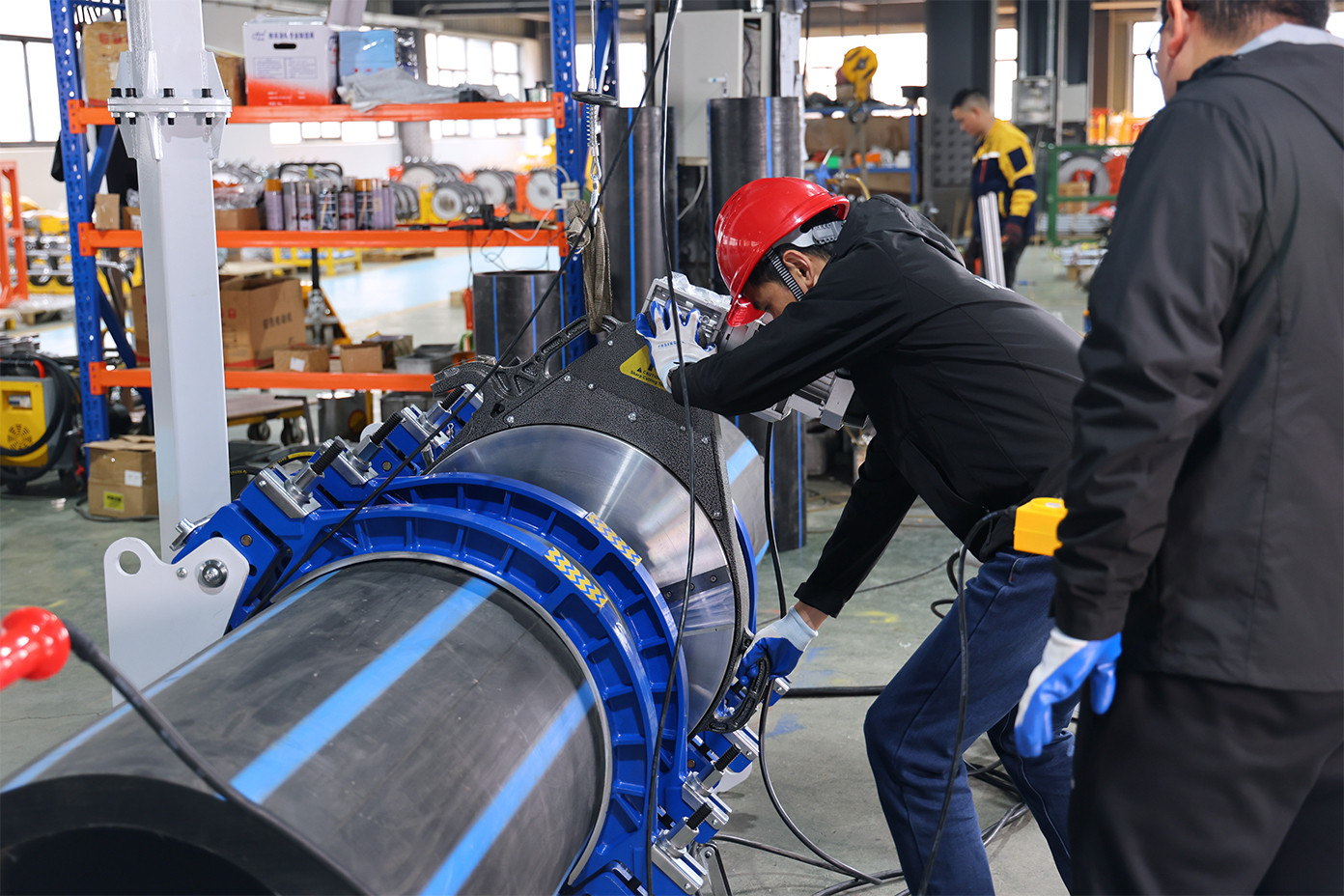
In medium- and large-diameter HDPE pipeline projects, butt fusion machines are a nearly irreplaceable piece of construction equipment.
They are used to join HDPE pipes through a controlled fusion process, addressing core engineering requirements such as joint strength, sealing reliability, and long-term system stability.
In applications including water supply, gas distribution, irrigation, and industrial pipelines—especially buried or long-distance systems—butt fusion has become one of the most widely adopted connection methods.
Engineering Principle of Butt Fusion
HDPE butt fusion is not a simple heating process.
Under controlled temperature and pressure, the pipe ends are heated until molten and then pressed together to form a unified structure.
After cooling, the fusion area becomes part of the pipe itself rather than a separate joint.
When performed correctly, the joint strength is typically not lower than that of the pipe material.
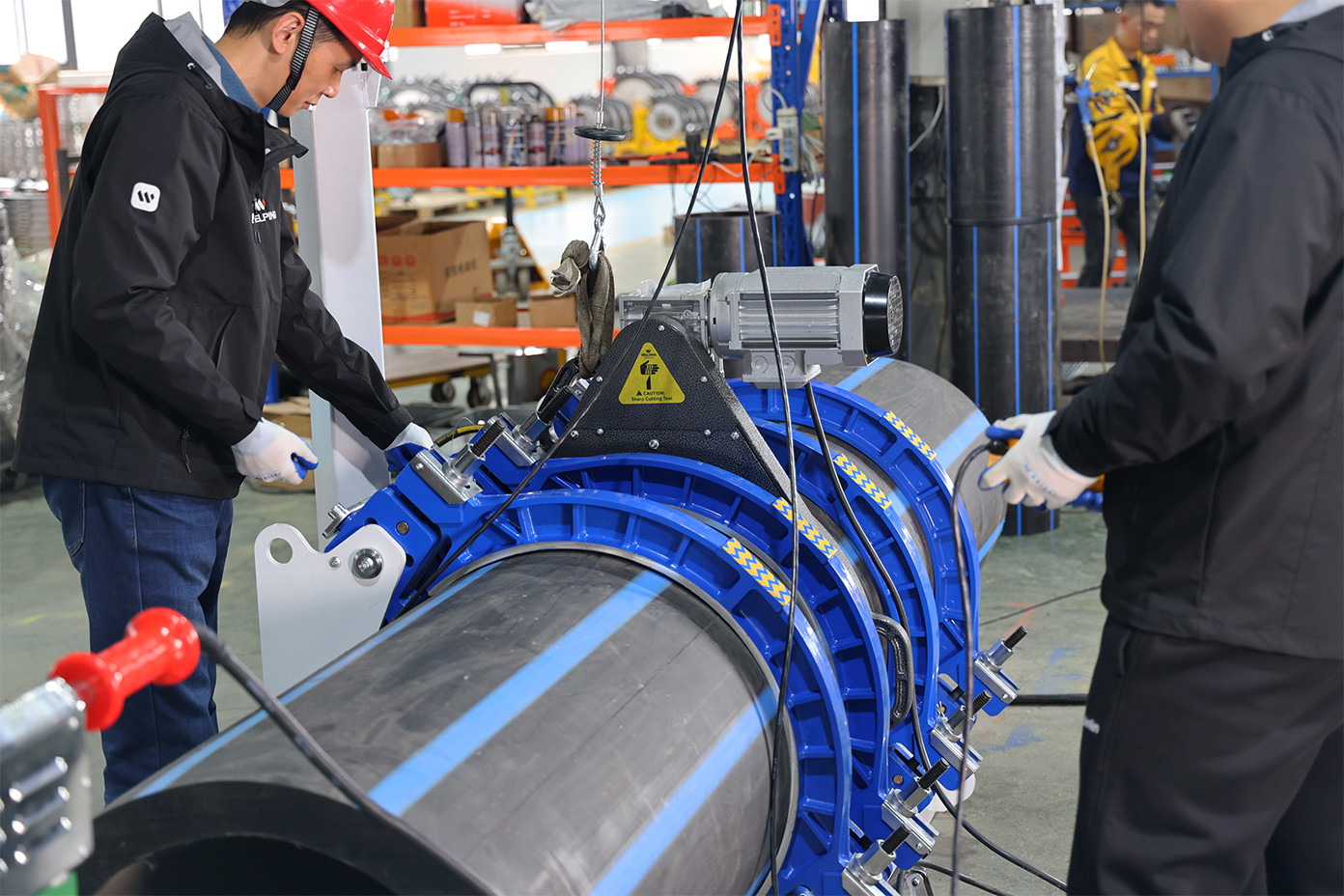
The Role of Butt Fusion Machines in Pipeline Projects
In real-world construction, a butt fusion machine functions primarily as a process control device, not merely a welding tool. Its key roles include:
· Aligning and clamping pipes to maintain axial consistency
· Standardizing facing, heating, fusion, and cooling steps
· Providing repeatable welding conditions across different operators and job sites
By controlling these critical variables, the machine reduces dependence on individual experience and improves overall welding consistency.
Why Butt Fusion Is Widely Used in Engineering Applications
In pipeline systems, joints are often the most vulnerable points over long-term operation.
Butt fusion addresses this issue by eliminating mechanical connectors and sealing elements that may degrade, loosen, or fail over time.
As a result, butt fusion is commonly preferred in projects involving:
· Medium- and large-diameter HDPE pipes
· Long-distance transmission pipelines
· Buried installations with limited access for maintenance
· Systems requiring high structural continuity and sealing reliability
In such conditions, butt fusion aligns more closely with long-term engineering logic than detachable connection methods.
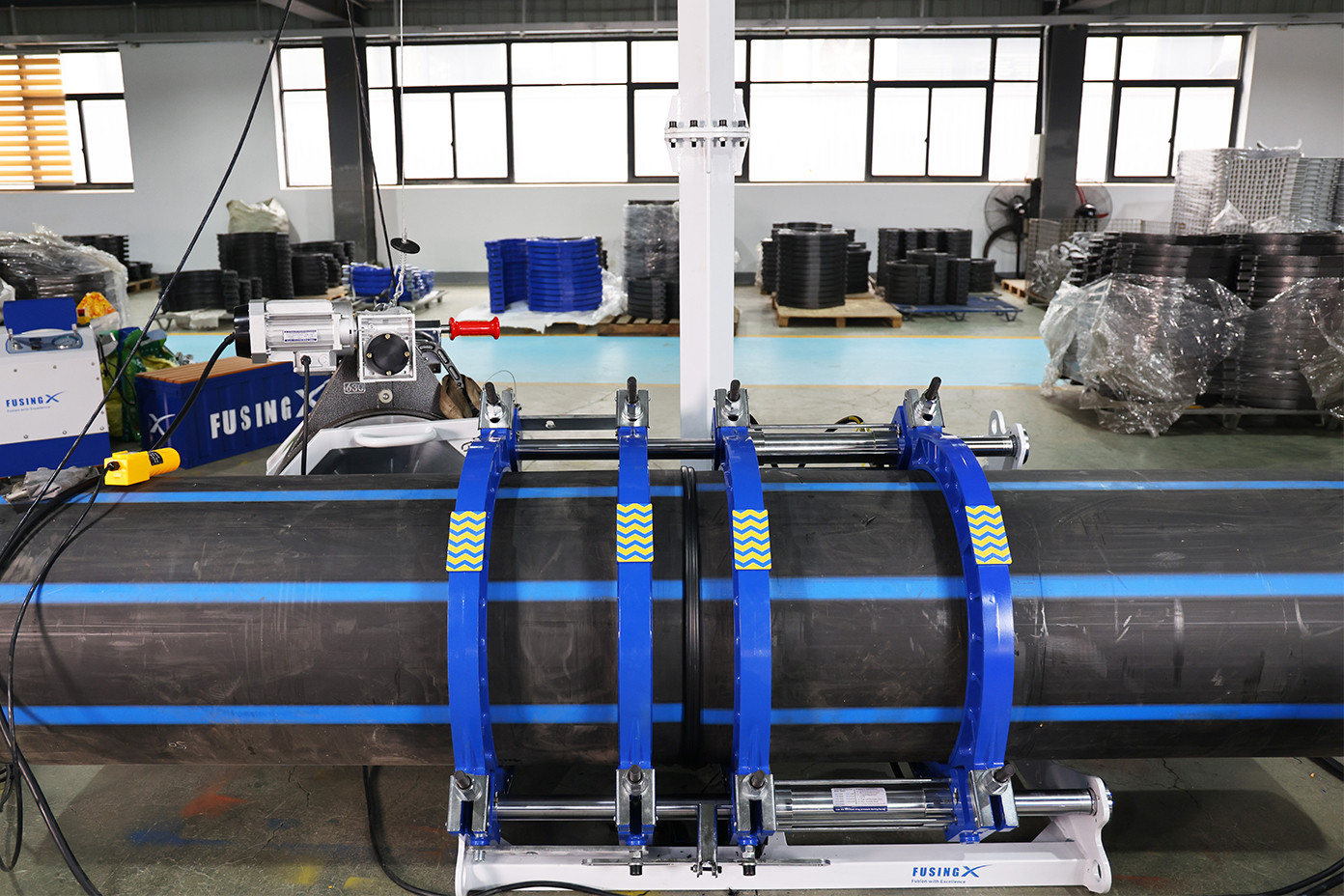
Conclusion
HDPE butt fusion machines are not used primarily to improve installation speed.
Their real value lies in reducing operational risk over the service life of the pipeline.
Understanding this role is more important than understanding the machine structure itself—it explains why butt fusion remains a fundamental process in modern HDPE pipeline engineering.
📘 Read More from Product Knowledge
• Back to Product Knowledge
• Next: How to Choose a High-Quality Butt Fusion Welding Machine for HDPE Pipes