Small-Diameter Pipe Fusion Still Needs a Professional Setup: A Closer Look at the FX200
- Share
- publisher
- RUBR
- Issue Time
- Aug 25,2026
Summary
The FX200 is a compact hydraulic butt fusion machine designed for small-diameter PE and HDPE pipe welding. This workshop demonstration highlights the importance of stable clamping, accurate pipe alignment, controlled hydraulic movement, and proper fusion bead inspection. Rather than simply reducing the size of a larger machine, the FX200 retains the complete working process required for professional hydraulic butt fusion.
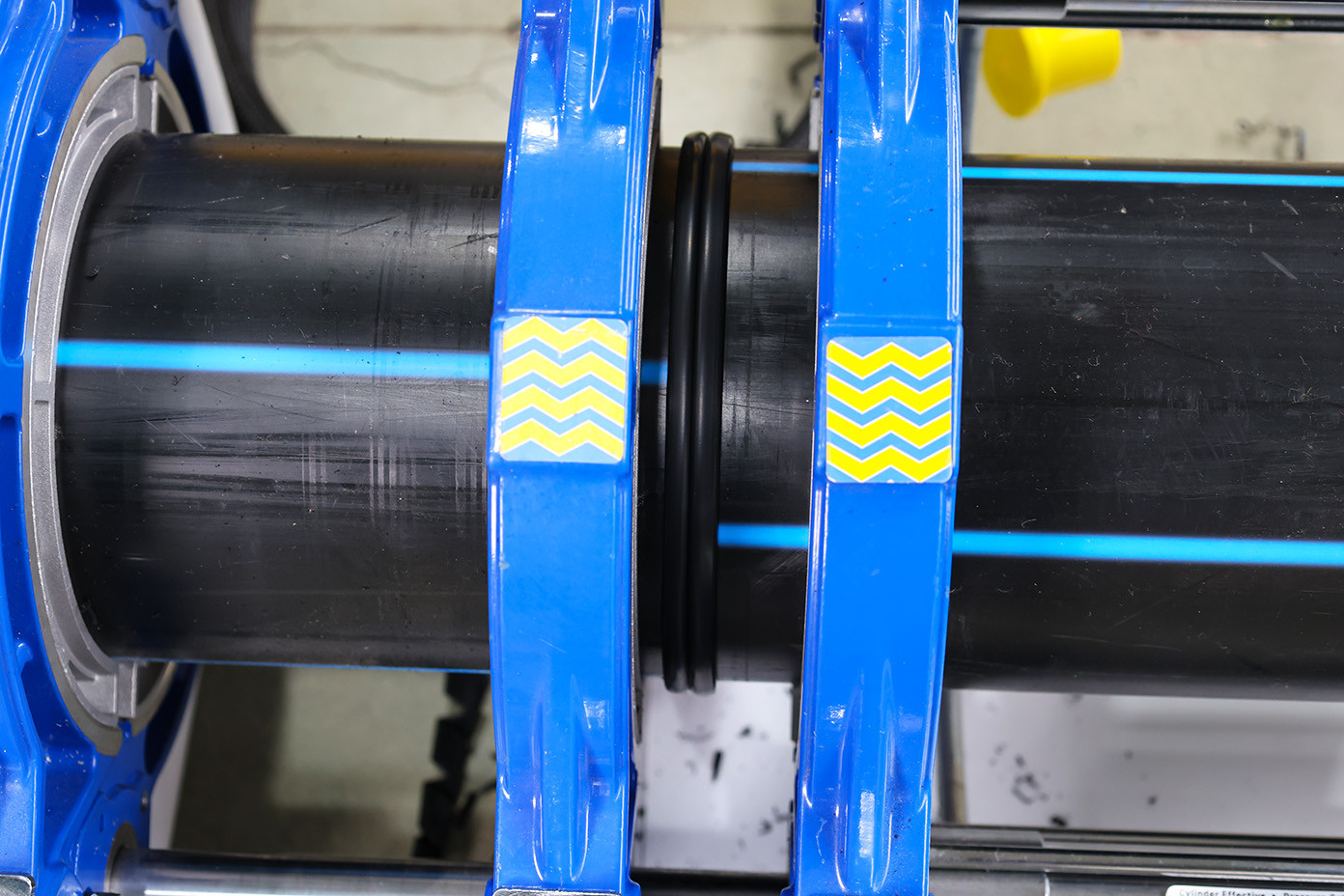
For PE pipe up to 200 mm, it is easy to assume that the fusion equipment can simply be lighter, smaller, and less complex.
In practice, however, smaller pipe does not reduce the importance of proper clamping, alignment, pressure control, or a consistent fusion procedure. During a recent workshop operation with the FX200, we took a closer look at how these details come together in a compact hydraulic butt fusion machine.
Stable Clamping Comes Before Fusion
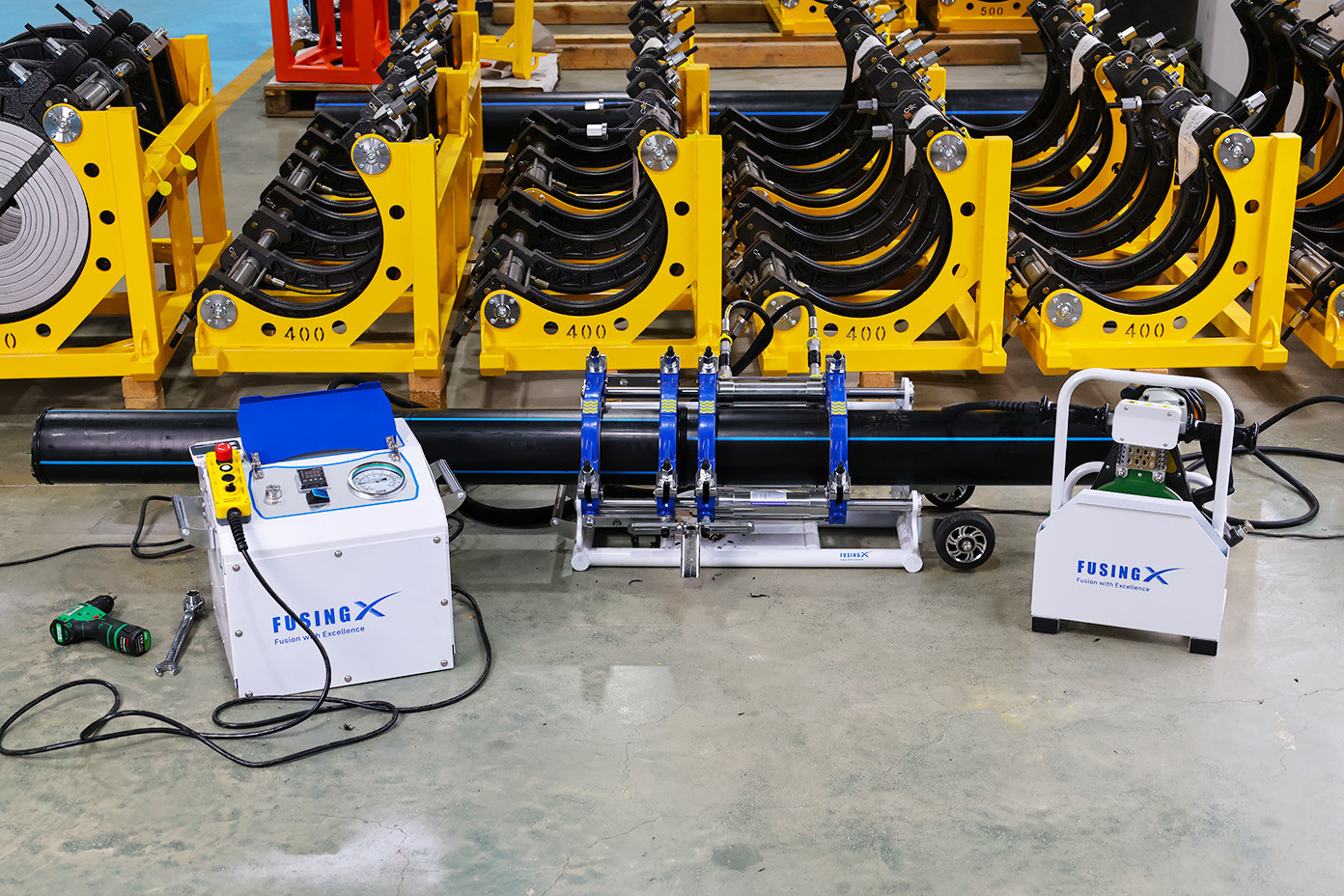
Before heating begins, the first priority is making sure both pipe ends are securely held and properly aligned.
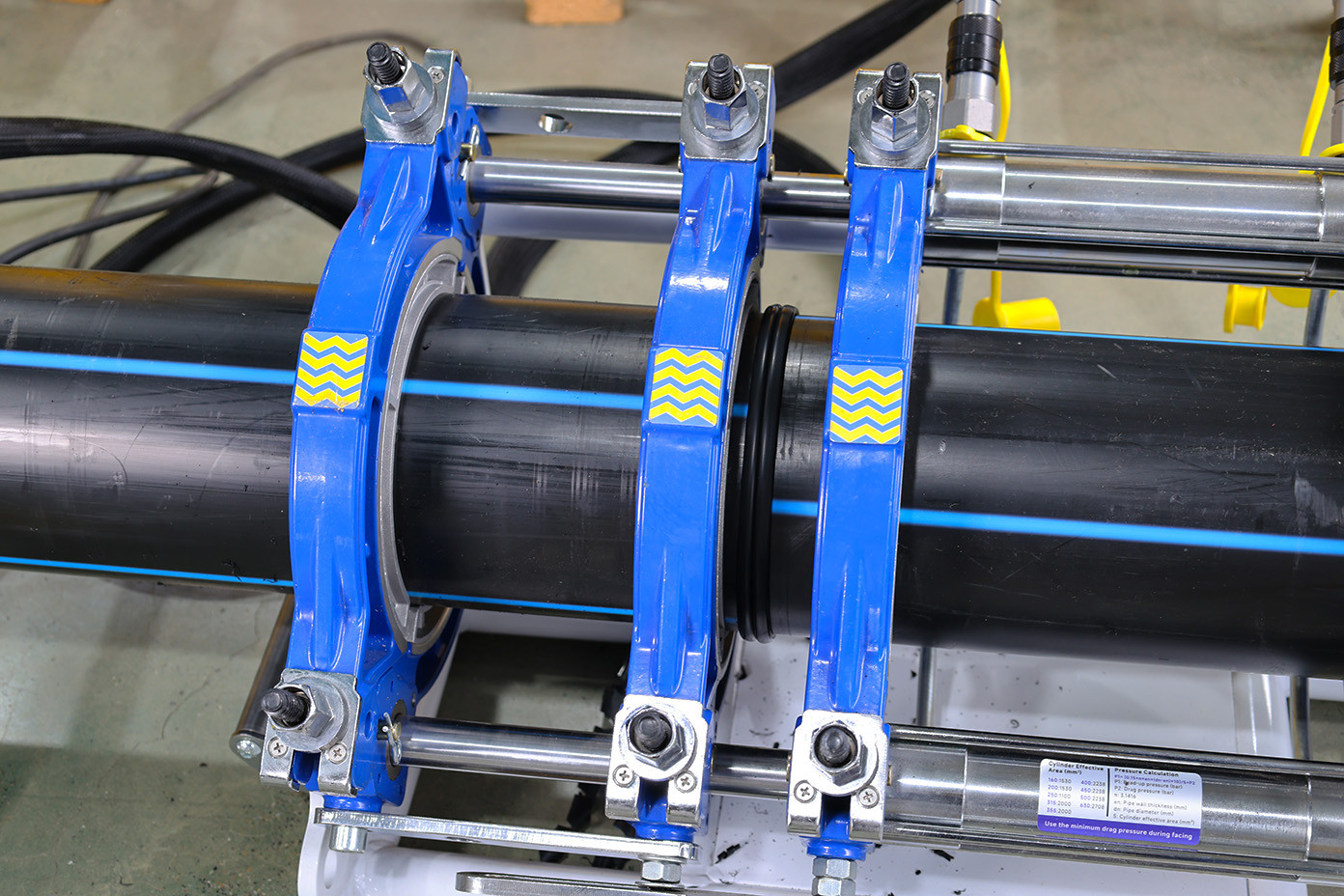
The FX200 uses a four-clamp frame to keep the pipe in position throughout facing, heating, and fusion. A rigid and stable setup helps reduce unwanted pipe movement and makes it easier for the operator to maintain alignment during the complete welding cycle.
This becomes even more important when working with longer pipe sections, where pipe weight and external support can affect alignment at the joint.
Why Use Hydraulic Control on a Small-Diameter Machine?
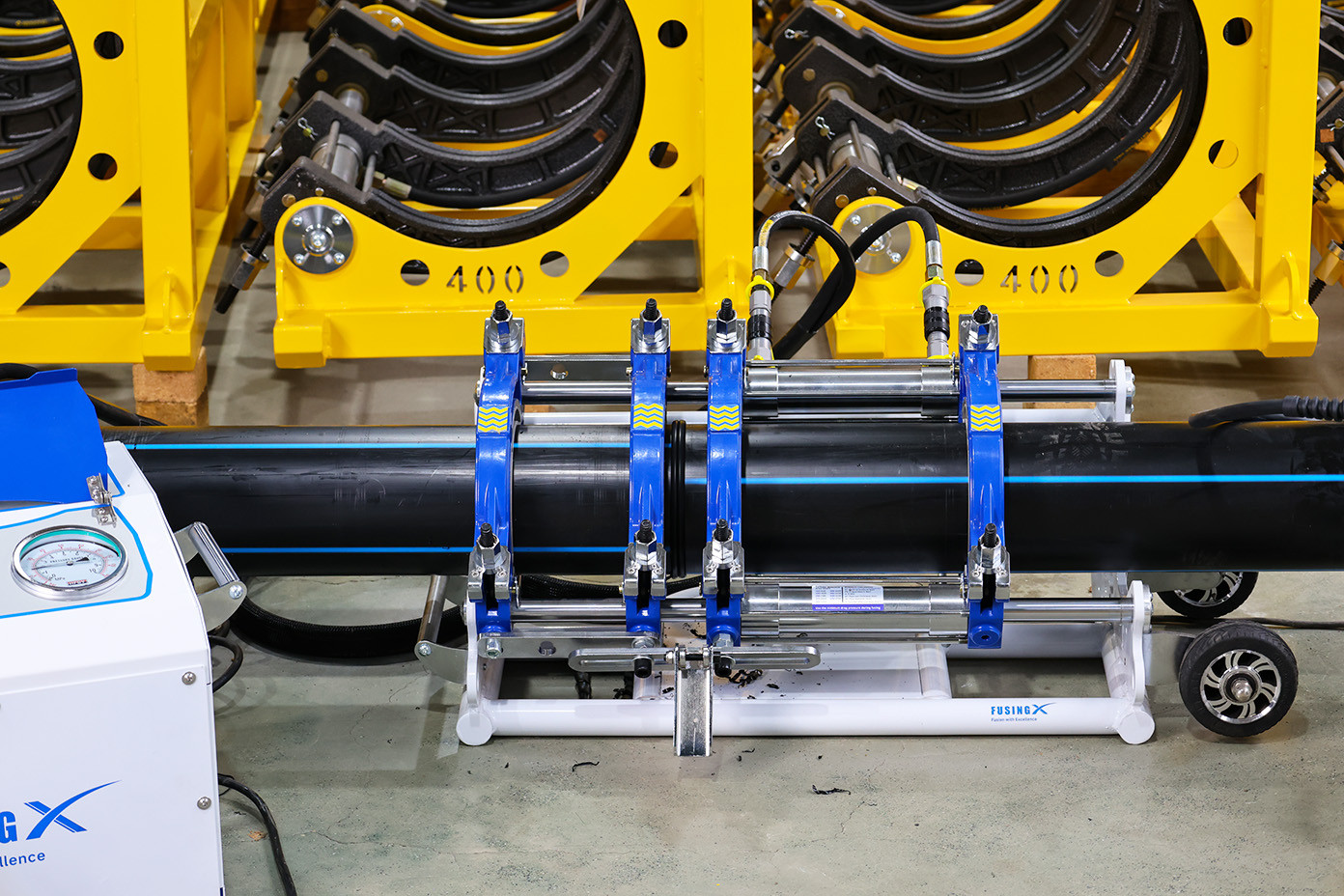
Manual fusion machines are practical for many small-diameter applications, but hydraulic control offers clear advantages when more consistent and repeatable operation is required.
The benefit is not simply higher pushing force.
During pipe closing, heating, fusion, and pressure holding, the hydraulic system allows the carriage movement and fusion pressure to be controlled more steadily. For workshop production or jobs involving multiple consecutive joints, this can help keep the operating process more consistent from one weld to the next.
That is one of the reasons the FX200 retains a dedicated hydraulic system despite its compact size.
What Do We Look for After Fusion?
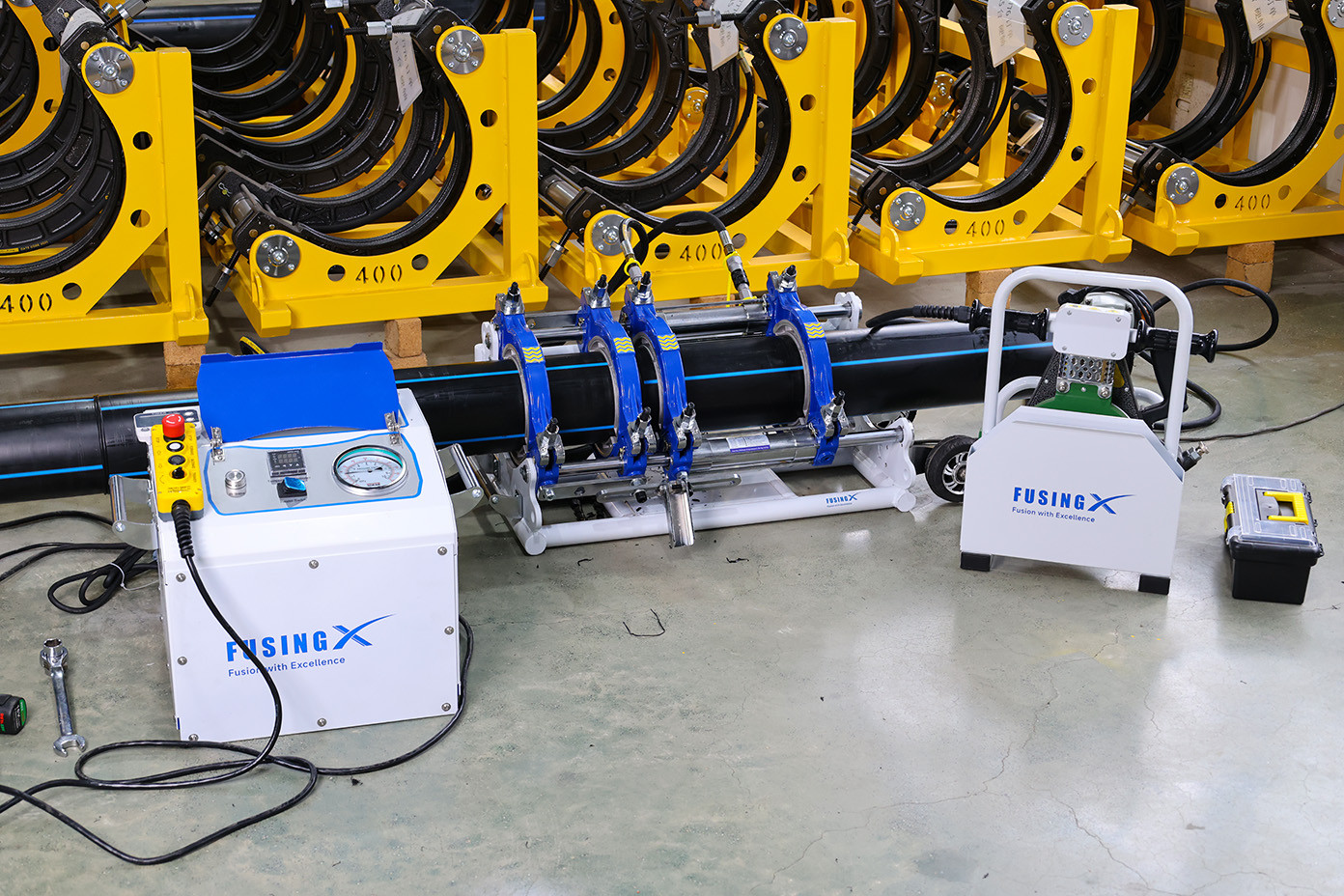
Once heating and fusion are completed, a fusion bead forms around the joint.
In the close-up from this workshop operation, the bead is clearly visible around both sides of the joint. For an operator, this is one of the first areas to inspect after the fusion cycle is completed.
Typical visual checks include:
· whether a bead has formed on both sides;
· whether it is continuous around the joint;
· whether there is obvious asymmetry;
· whether there is visible pipe misalignment.
A good-looking bead, however, should not be treated as the only indication of weld quality.
Proper butt fusion also depends on factors such as heating temperature, drag pressure, fusion pressure, heating time, changeover time, and cooling conditions. The bead is therefore an important visual reference, but it should always be considered together with the complete fusion procedure.
FX200: More Than a Smaller Version of a Large Fusion Machine
The FX200 is not simply a large hydraulic butt fusion machine reduced in size.
Its design keeps the complete working logic of professional hydraulic butt fusion: secure pipe clamping, facing, heating, fast changeover, controlled fusion, and pressure holding, while packaging these functions into a more compact platform for small-diameter PE and HDPE pipe.
For everyday pipeline installation, workshop prefabrication, and jobs involving repeated small-diameter joints, this combination offers a practical balance between compact equipment size and professional fusion control.
That is also what we look for during workshop testing: not only whether the machine can complete a weld, but whether the complete process remains stable, smooth, and repeatable.